
Online Safety Tip: QR Code Scams
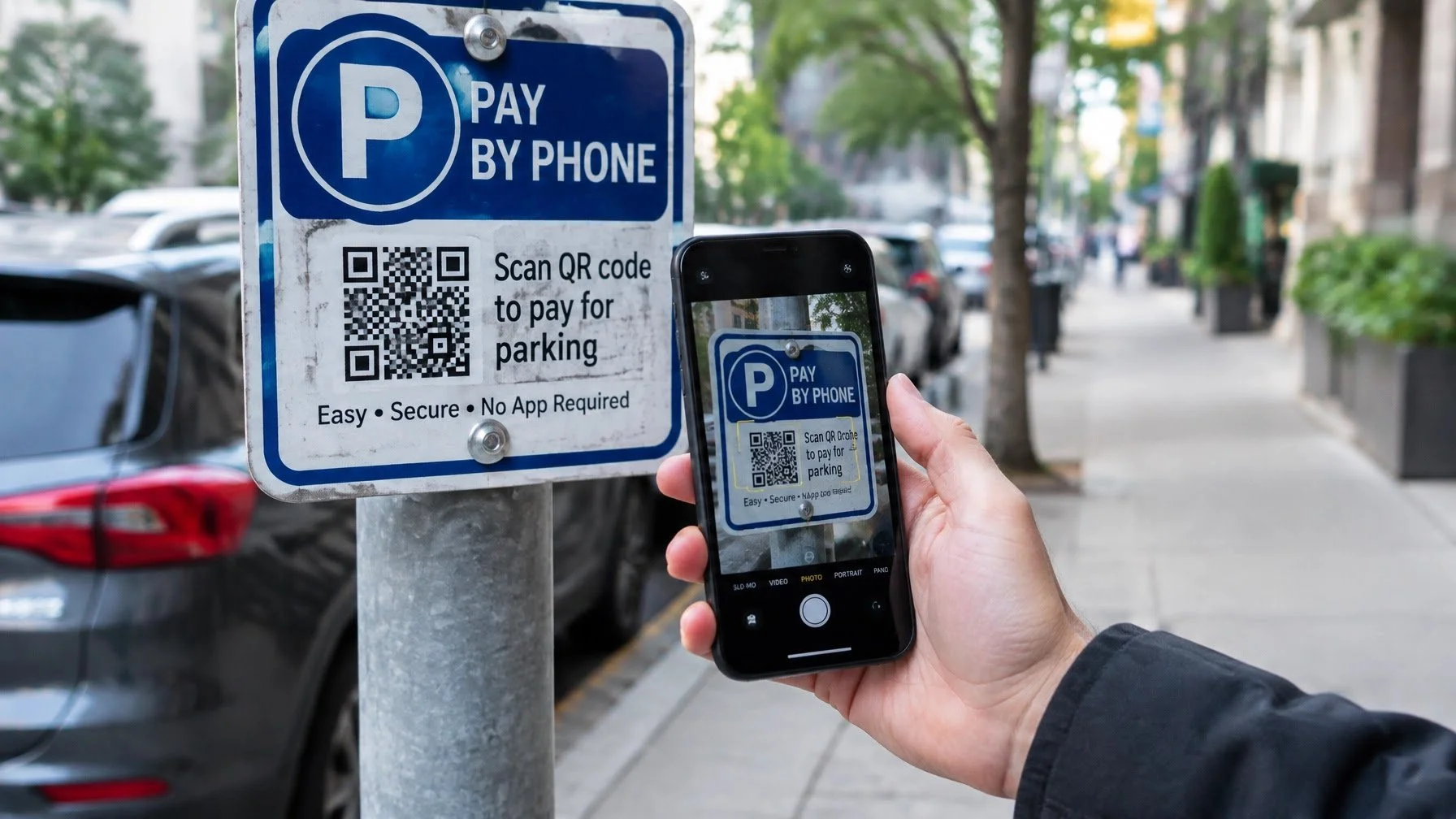
A while back we shared a tip about phishing — messages that pretend to come from a company, school, or bank you trust so they can collect your information. QR codes are the newest version of that same trick. Scammers paste a fake code sticker over a real one on a parking meter, a restaurant table, an event flyer, or a stranger raising money, or they send one in a text or email. Because a QR code is just a picture, you cannot tell where it goes until you scan it.
That is the whole point of the scam. The code sends your phone to a look-alike website built to capture a login, a card number, or personal details — or it quietly starts a download. A few habits keep your family out of it: preview the link before you open it, since most phone cameras show the web address on screen first, and if the address looks wrong, stop. Treat a code that arrived by text or email from someone you did not ask as suspicious, and never enter a password or payment information on a site you reached by scanning a sticker.
One more habit is worth teaching kids directly. Real organizations publish their own codes and will not pressure you to scan one right now to keep an account open or claim a prize. When something feels rushed, check the business through its own website or a phone number you already trust rather than through the code in front of you.